Is a cheap website worth it for a small business?
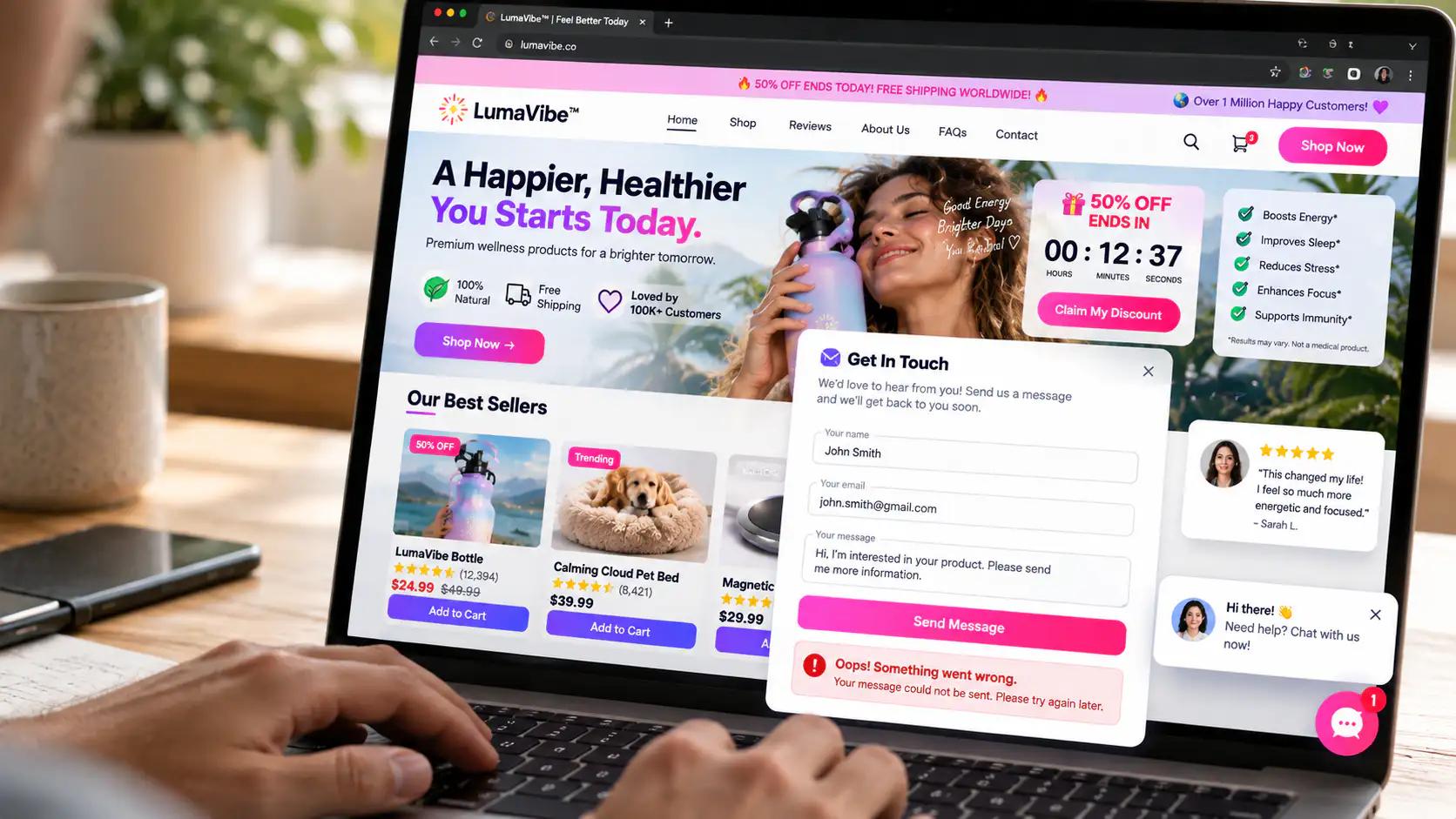
Quick answer: A cheap website is worth it only if it does its job: people can find it, trust it and contact you through it. A site built for under $500 often skips the unglamorous parts, like a tested contact form and a connected Google Business Profile. When those fail, the cheap site costs more than a proper one.
One of the services I sell is called Website Rescue, which tells you how often this comes up.
| Option | Typical cost (AUD) | Who it suits | What to check before you buy |
|---|---|---|---|
| DIY website builder | $500 to $1,500 a year, plus your own time | Simple sites where you are happy to do the setup | Test the form, link your Google Business Profile, open it on your phone |
| Cheap template build | $400 to $900, once | A basic online presence on a tight budget | Ask if the form is tested, page titles are written for search and tracking is set up |
| Seedwell Co. Website Rescue | $1,499 fixed, once | Small business sites that are slow, broken or hard to update | Content moved across, site set up for local search |
| Typical agency build | $4,000 to $20,000+, once | Larger or fully custom sites | What is included after launch, and what changes cost |
Prices checked 11 October 2026. Outside figures are published market ranges, not quotes. Sources: DIY builder range from WP Creative's Australian website cost guide; template and agency ranges from Creative Baguette's Sydney website cost guide, which quotes Sydney studios. Seedwell Co. price from Website Rescue.
Why do cheap websites look fine and still not work?
Cheap websites look fine because looking fine is now the easy part. The parts that bring in work are the parts you cannot see.
I saw a credit card offer recently. Spend $10,000 this month and receive $94 in gift vouchers. Wow. Incredible. Where do I sign? (If you don’t know, I am being sarcastic.) But amazingly, somewhere out there, a marketing team high-fived over that.

How is this for amazing value!
I bring it up because the cheap website is the same deal in a different outfit. The number on the front looks great. The maths behind it is a bit off.
These days you can spend less than $500 and get a site that looks half decent, mostly thanks to AI. Good. I like a bargain as much as anyone. But peek underneath and you start to see why the phone is quiet. A website can look like a million dollars and behave like a brochure someone left on a bus.
What does a broken website actually cost?
A broken website costs you every enquiry it loses, and you never see the ones you lost.
One of my clients came to me with a contact form and an email address that did not work. People were wanting to send enquiries. Nobody was receiving them. By the time it was found, the business had lost thousands of dollars in work.
That site had not been expensive, and perhaps using AI to build it was part of the problem. It turned out to be the most expensive thing they owned.
There is a second cost that is harder to measure. Someone finds your site, takes one look and thinks, "nope". They do not call. They do not tell you. A site like that does worse than no site at all, because without it they might have just rung you. I will explain one of the reasons this happens in next week’s post.
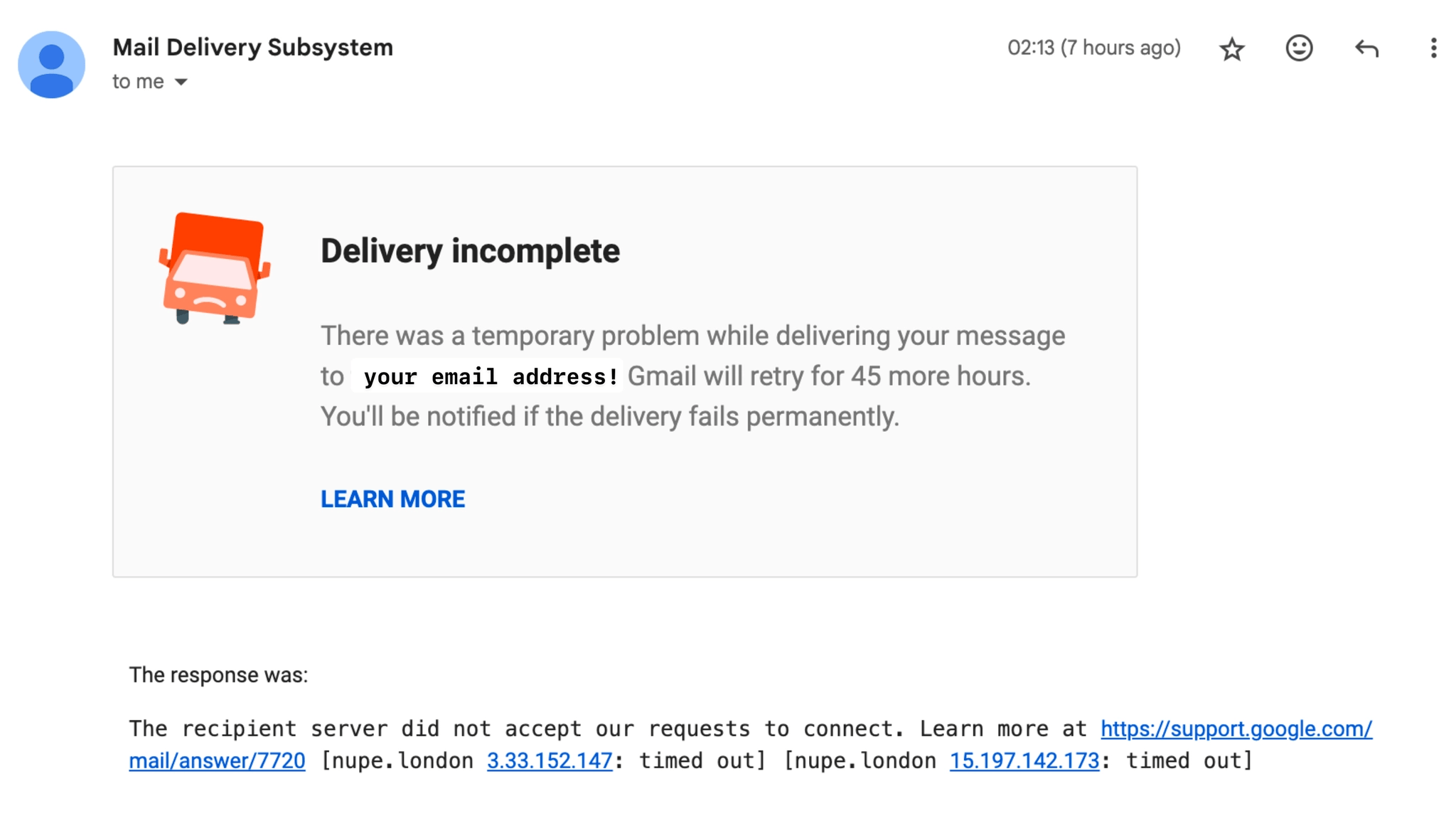
You need to be easily contactable
This is the work Seedwell Co. does under Website Rescue: take a site that is quietly losing business and rebuild it so it does its job.
So…. should I run ads to fix it?
I get this question all the time, I run so many ads and 1000s of people saw it! But the answer is No. Ads send more people to the same problem.
This is the part that hurts to watch. The website is not bringing in calls, so the owner spends money on Meta and Google Ads. Still nothing. So they spend a bit more.
It is like paying for a bigger sign that points to a door that opens the wrong way (you know those annoying doors that say pull, but you have to push it). You walk in and the store is dirty, it smells of something that was left in the fridge for too long, the person speaking to you does not respond at all, and the item you actually wanted is sold out.
The sign is doing great. But the front door and what’s behind it is the issue. Fix this first. Then, if you still want the sign, it will have somewhere to send people.
Sometimes this is called, webpages that convert.
How do I know if anyone is using my website?
Three free tools will tell you.
- Google Analytics counts your website visitors. It shows how many people came, which pages they looked at and how they found you, such as from a Google search or Facebook.
- Google Search Console shows what people typed into Google before your website came up. If someone searched “physio near me” and saw your site, it appears here.
- Your Google Business Profile is the listing that appears on Google Maps and in search results. It shows how many people tapped Call, Website or Directions.
A cheap build can easily leave all three unconnected. Make sure the accounts are in your name, not the developer’s or a friend’s. If the person who built the site owns the account, you own a report you cannot read.
A visit count on its own tells you very little. The number to watch is enquiries: how many visits turned into a call, a form or a booking. Plenty of people looking in the window and nobody coming through the door is a problem no visit count will show you.
Once a month, spend ten minutes on four numbers: visits, top pages, calls and forms received. Compare them with last month.
The under-rated tool that matters more than your website
For most local businesses, your Google Business Profile matters more than your website. It is often the first thing a nearby customer sees, before they ever reach your site.
You google “physio near me” and generally it is the reviews, photos and easy-to-read details on their Google Business Profile that come up first. If that captures their attention, they then click “Call” or “Website”. The website helps hold of their attention and allows them to dive deeper.
So before you spend anything, do two free things. Search for your own service and suburb and see who shows up. Then look at what those competitors have that you do not: more reviews, more photos, clearer services.
If your profile is half finished, start there. Seedwell Co. offers Google Business Profile optimisation as a one-off job for exactly this reason. Many businesses never finish setting theirs up.
How do I know if my website is the problem?
Your website is probably the problem if any of these five are true.
- You have never sent yourself a test enquiry. Do it now, from your phone, using a different email address. I will wait.
- You cannot remember the last enquiry that came through the site. And you have assumed that means it is a slow month.
- It is slow or awkward to view on a phone. Most of your visitors are on one.
- You do not show up when you search your own service and suburb. Your competitors do.
- You hesitate before giving someone the link. If you are a bit embarrassed by it, your customers have noticed too.
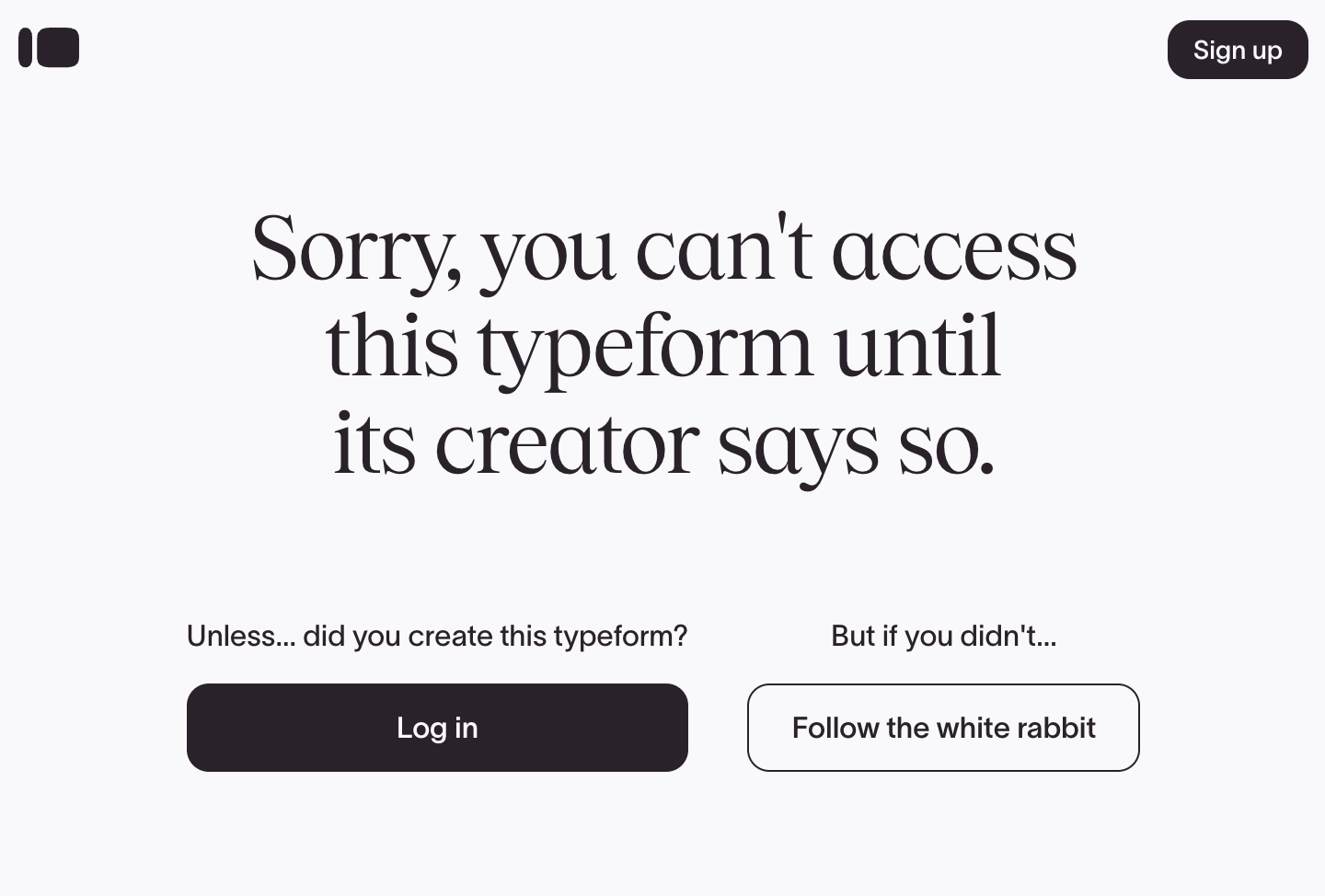
Big news. If this is happening, then your website is broken.
One of these is a job for an afternoon. Three or more and you are past patching. That is when a fixed-price website rebuild is cheaper than another year of the current one.
How much should a small business spend on a website?
Spend what the website can earn back, and work that out before you look at any price list.
Do the sum for your own business. If a proper website and local SEO brought in two extra clients a month, what are those clients worth over a year? And if some of them keep coming back, what then? For a lot of businesses, that number covers the website many, many times over. At times even one new client or one referring client will be enough to cover your costs depending on your business.
I am a value-conscious person. I hate spending money on things that are not worth it, which is exactly why I hate cheap websites that do not work.
For reference, Seedwell Co. rebuilds slow, broken, hard-to-update or over-AI’d small business websites for a fixed $1,499. The Lite plan is $349 a month with a $900 setup, and covers a website that is built, hosted and looked after.
Common questions
Is a $500 website ever fine?
Yes. Some businesses only need a simple template and can run with it, and all power to them. It is fine as long as the form works, it loads quickly on a phone and it is connected to your Google Business Profile.
Can I build my own website with an AI builder?
You can, and it may look good. Check the parts the builder does not check for you: send a test enquiry, search for yourself on Google, and open the site on your phone.
How do I test whether my contact form works?
Fill it in yourself from a different email address and see whether the message arrives, including in your spam folder. Do it again every few months, and after any change to your email or website.
What is Website Rescue?
Website Rescue is a fixed-price $1,499 rebuild from Seedwell Co. for small business websites that are slow, broken or hard to update. It includes moving your content across and setting the site up for local search.
The short of it all
A cheap website that works is a rare, almost impossible bargain. A cheap website that does not work is $94 in gift vouchers for a $10k spend.
If you are not sure which one you have, send yourself that test enquiry. If nothing arrives, Website Rescue is where to start.
Dave Tran runs Seedwell Co. from Epping in Sydney, building websites and local SEO for small businesses.
Findability Audit · $599
Not sure where to start?
A Findability Audit gives you a plain-English picture of where you stand online and the first three things to fix.
Fixed price. Pay once. Report is yours to keep.